
AR & VR: Beyond the Screen – How They Are Transforming Marketing
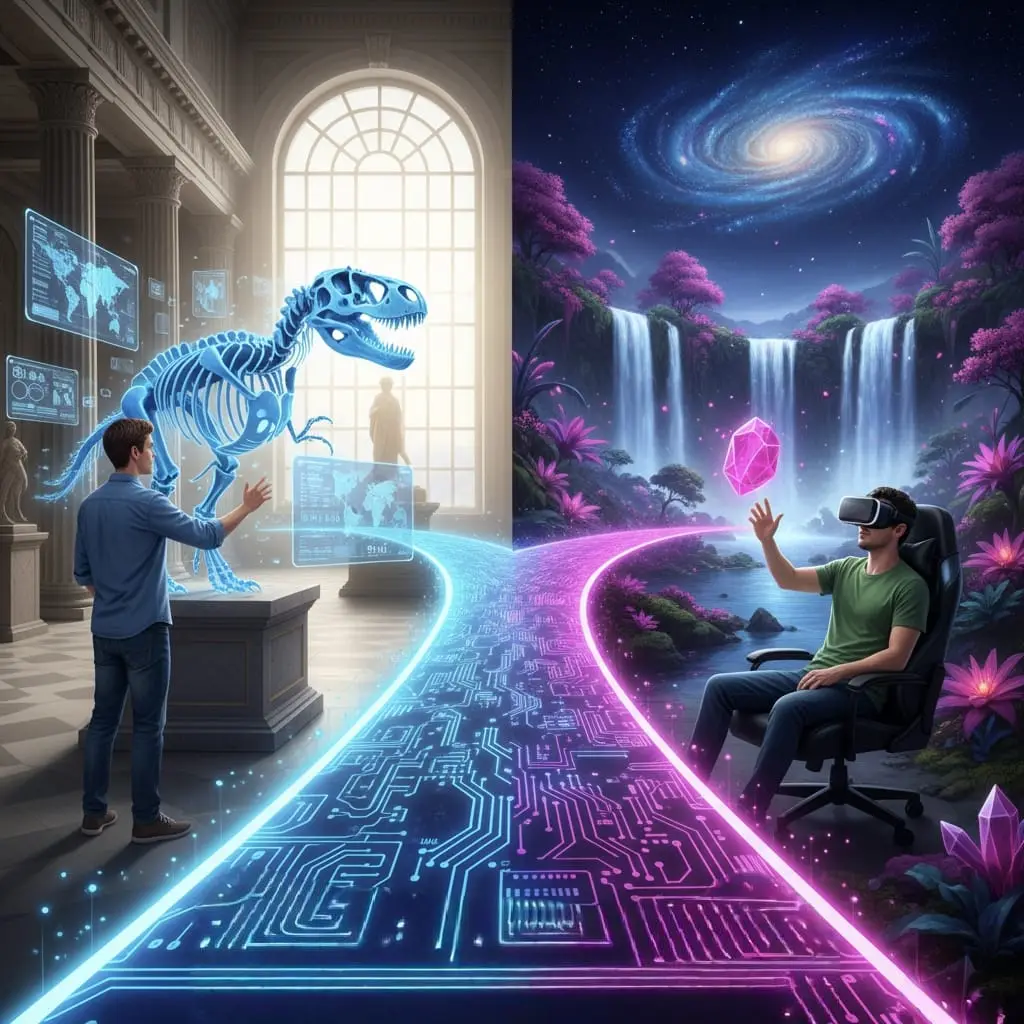
Marketing is no longer confined to screens. Augmented Reality (AR) and Virtual Reality (VR) are reshaping how brands connect with their audiences — turning digital interactions into immersive experiences. From virtual showrooms and 3D product demos to interactive brand events, companies are no longer just showing their products they’re letting customers experience them.From virtual showrooms and 3D product demonstrations to interactive brand events, immersive marketing is redefining engagement. These experiences pull customers into a brand’s world, creating an emotional and memorable connection that traditional ads can’t match.The future of marketing isn’t about information it’s about immersion. Success now lies in letting audiences feel your brand, not just see it.
How are AR and VR changing the way brands communicate with their audiences?
AR and VR make brand communication more interactive and experiential. Instead of passively watching ads, customers can now experience products in a virtual or augmented environment, which strengthens emotional engagement.
What makes immersive marketing more effective than traditional digital ads?
Immersive marketing allows users to actively participate rather than just observe. This leads to higher retention, emotional connection, and brand recall, since people remember experiences better than static visuals or text.
Can small businesses also benefit from AR/VR marketing, or is it only for big brands?
Yes, small businesses can benefit too. With affordable tools like AR filters, 3D product previews, or virtual tours, even local brands can create memorable experiences without huge budgets.
What industries are most likely to benefit from AR and VR marketing?
Retail, real estate, tourism, automotive, fashion, and education benefit the most — all sectors where visual experience and emotional connection drive decisions.
The Future AI + AR/VR Integration
AI is now merging with AR & VR to make experiences even smarter.
Think AI-powered avatars, virtual assistants in stores, or AR filters that adapt to your emotions in real time.
This combo AI + AR/VR is the next big leap for marketing.
How can data and analytics be integrated with AR/VR experiences to measure impact?
Brands can track user interactions, gaze duration, navigation patterns, and engagement time within AR/VR environments to measure effectiveness and improve campaigns.
How can small businesses use AR/VR in marketing?
You don’t need a massive budget to start. Small businesses can use AR filters, virtual product demos, or 360° social media content to grab attention. These tools help local brands stand out and compete with larger players creativity matters more than cost.
Could AR and VR replace traditional advertising in the future?
Not entirely but they’ll enhance and complement it. Traditional ads still play a vital role in building awareness and reach, while AR and VR create immersive, emotional engagement.
The future of marketing lies in blending both worlds using traditional media to attract attention and immersive experiences to deepen brand connections and drive meaningful interactions.
As technology continues to evolve, Augmented Reality (AR) and Virtual Reality (VR) are transforming marketing into an experience-driven journey. Brands that adopt these immersive tools are no longer fighting for attention — they’re creating moments customers remember, share, and return to.
Get expert guidance from a freelance digital marketing strategist in Kannur and start your immersive marketing journey today.